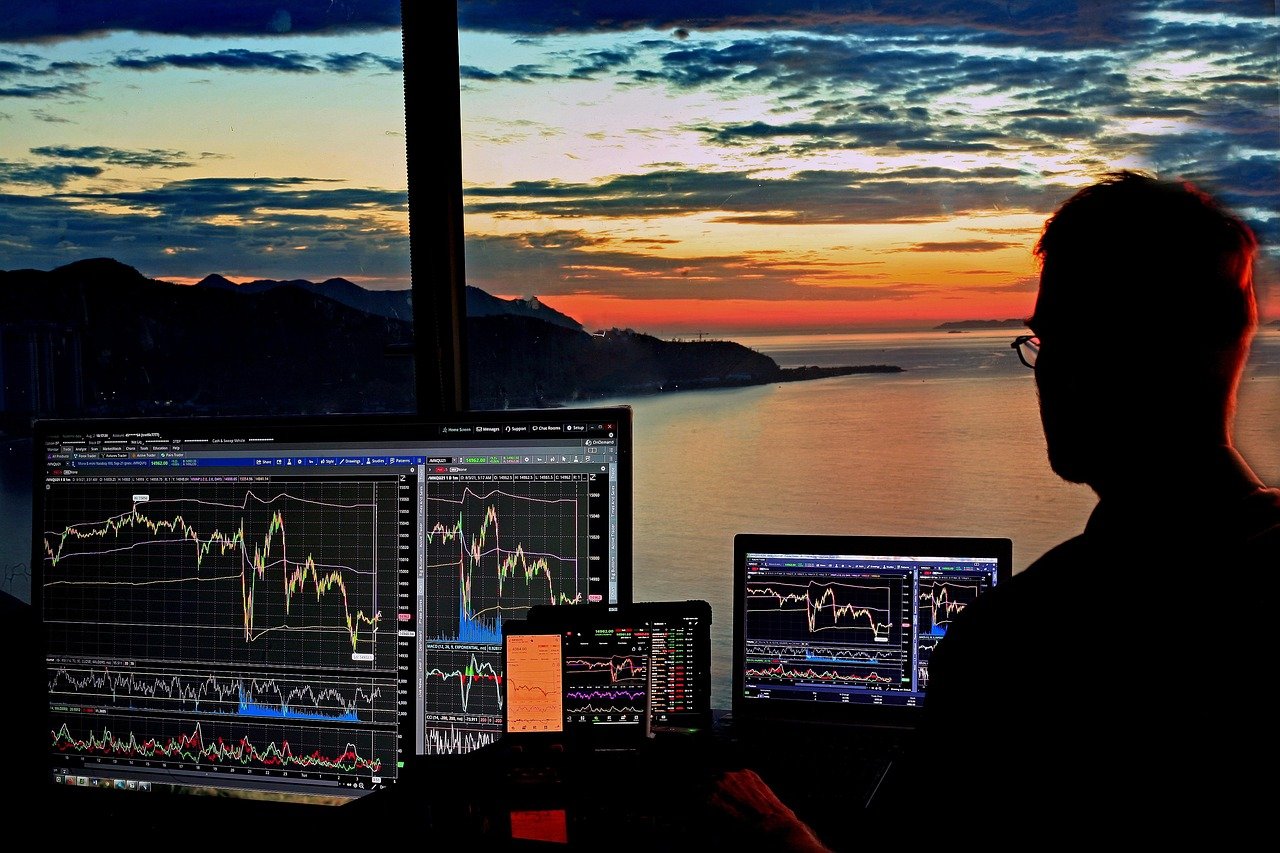
The digital nomad lifestyle has evolved dramatically. What started as a niche movement of travel bloggers and freelance web developers working from hammocks in Thailand has matured into a mainstream global workforce. However, the economic shifts of the last few years-including massive inflation, housing crises in popular European capitals, and shifting visa policies-have changed the map of where remote workers are actually settling.
Cities like Lisbon, Berlin, and Mexico City, which were the undisputed darlings of the digital nomad boom, have seen rent prices double or triple. They are no longer "budget" destinations. Consequently, the savvy nomad class of 2026 is migrating to a new wave of tier-two and tier-three cities that offer an unbeatable triad: exceptional affordability, reliable fiber-optic infrastructure, and welcoming expat communities.
In this comprehensive, data-driven guide, we break down the 10 cheapest destinations for digital nomads in 2026, analyzing the true monthly cost of living.
Note: All cost estimates below are designed for a comfortable, mid-range lifestyle for a single person. This includes a private 1-bedroom apartment in a safe, central neighborhood, a coworking space membership, eating out 4-5 times a week, a gym membership, and local entertainment. It is absolutely possible to live in these cities for less if you choose to flat-share or eat exclusively local street food.
1. Da Nang, Vietnam
Da Nang has officially dethroned Chiang Mai as the premier hub of Southeast Asia for remote workers. Located on the central coast of Vietnam, it perfectly balances city infrastructure with beautiful beaches, making it a magnet for entrepreneurs looking for high quality of life at basement prices.
- Estimated Monthly Cost: $900 - $1,200 USD.
- The Vibe: Coastal, relaxed, hyper-modernizing.
- Why Nomads Love It: The cost of eating out is staggering. You can easily find world-class Pho or Banh Mi for $1.50. The city boasts miles of sandy beaches, beautiful forested mountains (Son Tra peninsula), and an incredibly efficient international airport. Coworking spaces have proliferated rapidly, offering blazing fast internet. Furthermore, Vietnam has introduced more favorable e-visa policies, allowing nomads to stay up to 90 days effortlessly.
- The Drawback: The seasonal weather. The typhoon season (September to November) brings massive deluges and floods, prompting many nomads to temporarily migrate elsewhere during the autumn months.
2. Buenos Aires, Argentina
Despite the immense macroeconomic turbulence and inflation in Argentina, for a digital nomad earning strong foreign currency (like USD or Euros), Buenos Aires remains arguably the greatest lifestyle bargain on the planet.
- Estimated Monthly Cost: $1,000 - $1,400 USD (dependent on the Blue Market exchange rate).
- The Vibe: The "Paris of South America"-intellectual, architectural, deeply passionate, and nocturnal.
- Why Nomads Love It: The cultural density is unmatched at this price point. You can rent a gorgeous Parisian-style apartment in the trendy neighborhoods of Palermo or Recoleta for $600 a month. A world-class steak dinner with a bottle of Malbec at a premium parilla will rarely exceed $25. The café culture is legendary, providing endless laptops-friendly venues.
- The Drawback: Economic instability requires complex financial maneuvering. You cannot simply use the official exchange rate via local ATMs or you will pay 50% more. You must rely on Western Union wire transfers or crypto-exchanges to access the "Dolar Blue" (the unofficial, highly lucrative street exchange rate). Dealing with stacks of cash is a daily reality.
3. Bansko, Bulgaria
Bansko is the anomaly on this list. It is a small ski resort town in the Pirin Mountains of Bulgaria that has aggressively transformed itself into a globally recognized tech hub through sheer force of community organizing, primarily led by the legendary "Coworking Bansko."
- Estimated Monthly Cost: $800 - $1,100 USD.
- The Vibe: Mountainous, hyper-community-focused, outdoorsy.
- Why Nomads Love It: It is arguably the absolute cheapest place you can securely live within the borders of the European Union. You can rent a small apartment for $300 a month. However, the real draw is the community. Unlike massive cities where nomads get lost in the noise, Bansko is a village. Everyone knows everyone. There are daily organized hikes, hot springs trips, poker nights, and networking events. In the winter, you ski; in the summer, you hike.
- The Drawback: It’s a very small town. If you crave the chaotic energy, massive club scenes, and endless Michelin-star restaurants of a major metropolitan capital, you will experience severe cabin fever after three months in Bansko.
4. Tbilisi, Georgia
Tbilisi was ahead of the curve in 2021 by offering a formalized 1-year visa-free stay for remote workers, and it reaped the rewards. It has remained a remarkably cheap, eccentric, and food-obsessed capital straddling the border of Europe and Asia.
- Estimated Monthly Cost: $1,100 - $1,400 USD.
- The Vibe: Post-Soviet bohemian, wine-drenched, visually stunning.
- Why Nomads Love It: The visa policy makes bureaucracy virtually non-existent. You can fly in and stay for 365 days, and then simply cross the border to Armenia for an afternoon to reset the clock for another 365 days. The food (Khachapuri, Khinkali) is intensely comforting, and Georgia is the ancient birthplace of wine, meaning exceptional, organic orange wines cost roughly $3 a glass. The architecture is a fascinating mix of ancient fortresses, brutalist Soviet concrete, and modern glass structures.
- The Drawback: Since the geopolitical events in neighboring Russia in 2022, a massive influx of expats initially drove up rental prices. While the market has stabilized, premium housing is harder to secure on a budget than it was five years ago.
5. Antigua, Guatemala
For nomads who want to be deeply immersed in Latin American culture, prefer to operate on North American time zones, and want something highly aesthetic, Antigua is currently unmatched.
- Estimated Monthly Cost: $1,200 - $1,500 USD.
- The Vibe: Colonial cobblestone charm surrounded by active, erupting volcanoes.
- Why Nomads Love It: Antigua is breathtaking. Walking to your coworking space means traversing 16th-century ruins with a view of Volcán de Fuego puffing smoke in the background. It is significantly safer than Guatemala City, highly walkable, and has a dense concentration of high-end, locally sourced coffee shops perfectly designed for deep work. It also serves as a brilliant base camp for weekend trips to Lake Atitlán or surfing on the Pacific coast.
- The Drawback: Infrastructure fragility. Heavy rains or minor seismic activity can occasionally knock out power or internet for brief periods. A backup LTE hotspot is mandatory for mission-critical Zoom calls.
6. Penang (George Town), Malaysia
While Kuala Lumpur gets the sheer corporate numbers and Bali gets the influencers, savvy veteran digital nomads seeking a culinary paradise without the crowds flock to Penang.
- Estimated Monthly Cost: $1,000 - $1,300 USD.
- The Vibe: Historic colonial trading post meets arguably the best street food planet Earth has to offer.
- Why Nomads Love It: George Town is a UNESCO World Heritage site and a true melting pot of Malay, Chinese, and Indian cultures. This fusion results in street food that is dangerously addictive and obscenely cheap ($2 per meal). The infrastructure in Malaysia is vastly superior to many neighboring Southeast Asian countries, meaning lightning-fast internet, clean modern apartments with rooftop infinity pools, and excellent healthcare are all available at baseline prices. Furthermore, English is universally spoken, reducing friction for everyday tasks.
- The Drawback: The humidity is brutal and unrelenting year-round. You will be actively moving from air-conditioned apartment to air-conditioned cafe.
7. Medellín, Colombia
Medellín’s transformation from infamous cartel stronghold to digital nomad tech hub over the past two decades is a well-documented miracle. Despite rising popularity, it remains remarkably cost-effective compared to European or North American alternatives.
- Estimated Monthly Cost: $1,200 - $1,600 USD.
- The Vibe: The "City of Eternal Spring"-lush, entrepreneurial, wildly fun.
- Why Nomads Love It: The climate is flawless; it is 72°F (22°C) practically every single day of the year. The neighborhood of El Poblado feels like a jungle seamlessly woven into a major metropolitan city. The transit system (featuring incredible cable cars connecting the hillsides) is efficient. For socializing, the nightlife and salsa scene are legendary, and you’ll find arguably the world's most aggressive and supportive network of tech founders and crypto enthusiasts.
- The Drawback: Security requires continuous vigilance. While heavily gentrified areas are generally safe during the day, petty theft and muggings remain a significant issue for foreigners who flash expensive phones, walk alone late at night, or use unverified dating apps. Situational awareness is not optional here.
8. Cape Town, South Africa
Cape Town is the defining "lifestyle optimization" capital. If you want raw, unadulterated natural beauty, world-class outdoor activities, and incredible culinary scenes on a strict budget, no city compares.
- Estimated Monthly Cost: $1,300 - $1,700 USD.
- The Vibe: Dramatic mountains meeting raging oceans; essentially a much cheaper, much wilder California.
- Why Nomads Love It: The strength of foreign currency against the South African Rand equates to staggering purchasing power. You can live in an ocean-view apartment in Sea Point, eat organic grain bowls for lunch, fine-dine on locally sourced seafood for dinner, surf in the mornings, and hike Table Mountain on the weekends-all for a fraction of what this lifestyle would cost in Los Angeles or Sydney.
- The Drawback: "Loadshedding" (rolling, scheduled national blackouts due to grid failure) has historically been an absolute nightmare. While the situation in 2026 has improved, any nomad moving here must prioritize renting an apartment that explicitly advertises backup solar power, inverters, or generators, which slightly artificially inflates housing costs.
9. Chiang Mai, Thailand
Wait, didn't we say Da Nang dethroned Chiang Mai? We did. However, Chiang Mai cannot be excluded from this list because it fundamentally birthed the movement. It remains highly optimized, incredibly cheap, and spiritually deeply rewarding.
- Estimated Monthly Cost: $800 - $1,100 USD.
- The Vibe: Temple-dense, historically spiritual, packed with vegan cafes and yoga studios.
- Why Nomads Love It: Frictionless living. Everything in Chiang Mai is easy. The café infrastructure is so deeply ingrained that every establishment anticipates people opening laptops for four hours. Condos can be rented securely on a month-to-month basis via a single text message. The local culture is deeply respectful and safe, and weekend trips to surrounding elephant sanctuaries or mountain temples are spiritually rejuvenating.
- The Drawback: "Burning Season." From roughly February to April, local farmers burn their fields, causing immense, toxic smog to settle in the valley. The air quality becomes hazardous, physically forcing most nomads to abandon the city for 2-3 months every year until the rains return to clear the air.
10. Tirana, Albania
For the European-focused nomad who has been priced out of Lisbon, Barcelona, and Athens, the gaze has shifted south to the Balkans. Tirana, Albania's vibrant capital, is the final frontier of extremely cheap, high-quality European living.
- Estimated Monthly Cost: $900 - $1,200 USD.
- The Vibe: Colorful, chaotic, rapidly westernizing, cafe-obsessed.
- Why Nomads Love It: Albania is fiercely pro-American/European and incredibly welcoming to foreigners. The cafe culture here rivals Italy, but an espresso costs $0.80. The rent for a newly built, modern apartment in the trendy Blloku district is easily under $500. Furthermore, American citizens technically get a 1-year visa-free entry, an absolute rarity in Europe.
- The Drawback: Infrastructure is still catching up. Power outages are not entirely uncommon, and while Tirana is modernizing, it lacks the polished, historic refinement of traditional Western European capitals. It operates with a slight edge of chaotic energy.
The Bottom Line
The era of hyper-cheap living in premier European capitals is largely over, but geopolitical and technological shifts have opened incredible new doors in Southeast Asia, the Balkans, and Latin America. Armed with Starlink, high-yield digital skills, and our Total Trip Cost budget tools, the 2026 digital nomad has a diverse array of deeply affordable, highly stimulating cities to choose from.
Stop guessing your travel budget
Use our free calculator to get real flight prices and daily cost estimates for over 500 cities worldwide.
Travel smarter, not harder.
Join 10,000+ readers getting exclusive budget travel hacks, flight error fares, and location guides every Tuesday.
We respect your privacy. Unsubscribe anytime.